


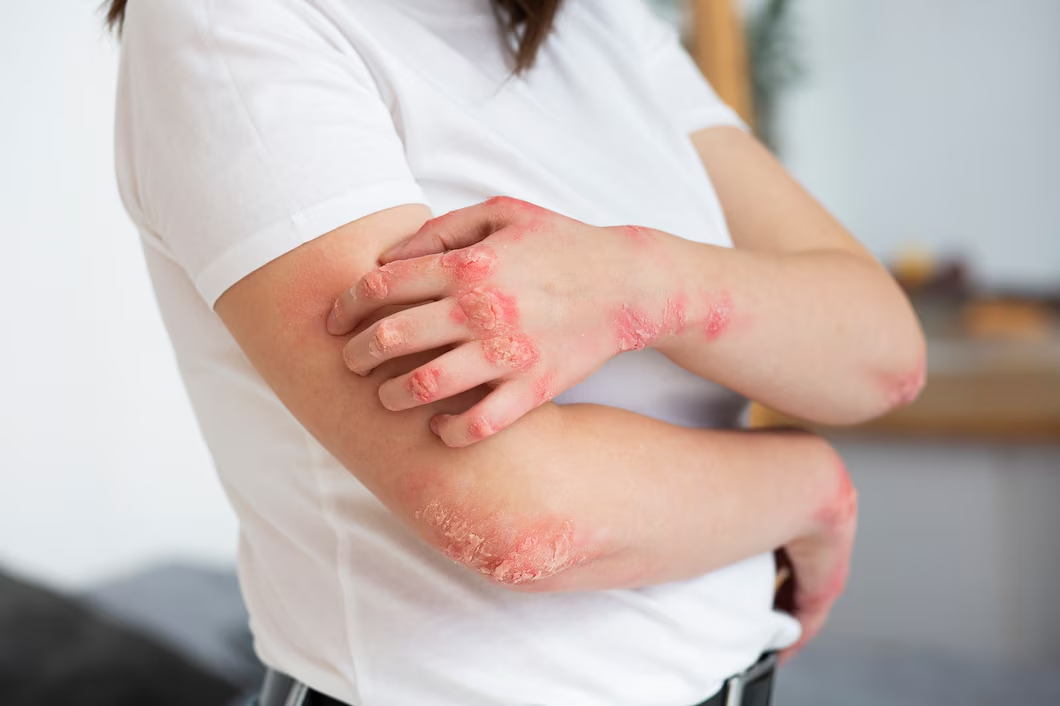
Fungal Infection of Skin
Fungal infections of the skin are very common and can affect people of all ages. These infections are caused by fungi that grow on the skin, hair, or nails, especially in warm and humid environments. In many cases, fungal infections develop due to excessive sweating, poor hygiene, sharing personal items, or a weakened immune system.
Skin fungal infections are usually not serious, but they can cause discomfort, itching, redness, and irritation. Early diagnosis and proper treatment are important to prevent the infection from spreading to other parts of the body.
What Is a Fungal Skin Infection?
A fungal skin infection occurs when fungi grow on the outer layer of the skin. These fungi thrive in moist and warm areas such as the groin, feet, underarms, and between the toes.
Fungal infections can spread easily through direct contact with infected skin, contaminated surfaces, clothing, or towels.
Common Types of Fungal Skin Infections
Ringworm (Tinea Corporis)
Ringworm is a common fungal infection that appears as red, circular, and itchy patches on the skin. Despite its name, it is not caused by worms but by a type of fungus.
- Red circular rash with raised edges
- Itching and irritation
- Scaly skin
Athlete’s Foot (Tinea Pedis)
Athlete’s foot is a fungal infection that affects the skin between the toes and the soles of the feet. It is commonly seen in people who wear tight shoes or have sweaty feet.
- Itching between toes
- Cracked or peeling skin
- Burning sensation
Jock Itch (Tinea Cruris)
Jock itch is a fungal infection that affects the groin area. It is more common in men and usually occurs in warm and moist environments.
- Red rash in the groin area
- Severe itching
- Flaky or peeling skin
Nail Fungal Infection
Fungal infections can also affect the nails, causing them to become thick, discolored, and brittle. This condition can spread if not treated properly.
- Yellow or white discoloration of nails
- Thickened nails
- Brittle or crumbly nail edges
Causes of Fungal Skin Infections
Several factors can increase the risk of developing fungal infections on the skin.
- Excessive sweating
- Hot and humid climate
- Poor personal hygiene
- Wearing tight or non-breathable clothing
- Sharing towels, clothes, or footwear
- Weak immune system
Symptoms of Fungal Skin Infection
Symptoms of fungal infections may vary depending on the type and location of the infection.
- Red or itchy rash
- Scaly or peeling skin
- Burning sensation
- Cracked skin
- Blisters or swelling in severe cases
Diagnosis of Fungal Skin Infection
Dermatologists usually diagnose fungal infections by examining the affected skin. In some cases, a small skin sample may be taken for laboratory testing to confirm the type of fungus causing the infection.
Treatment for Fungal Skin Infections
Fungal infections can be treated effectively with antifungal medications. The type of treatment depends on the severity and location of the infection.
- Antifungal creams or ointments
- Antifungal tablets in severe cases
- Medicated antifungal shampoos for scalp infections
It is important to complete the full course of treatment to prevent recurrence of the infection.
Prevention of Fungal Skin Infections
Maintaining good hygiene and keeping the skin clean and dry can help prevent fungal infections.
- Keep skin dry and clean
- Avoid sharing personal items
- Wear loose and breathable clothing
- Change sweaty clothes promptly
- Use antifungal powders if prone to infections
When to See a Dermatologist
If a fungal infection does not improve with basic treatment or continues to spread, it is important to consult a dermatologist for proper diagnosis and treatment.
Early medical care can prevent complications and ensure faster recovery.
Conclusion
Fungal infections of the skin are common but treatable conditions. With proper hygiene, early diagnosis, and appropriate treatment, most fungal infections can be managed effectively. If symptoms persist or worsen, seeking professional dermatological care is the best way to restore healthy skin.