


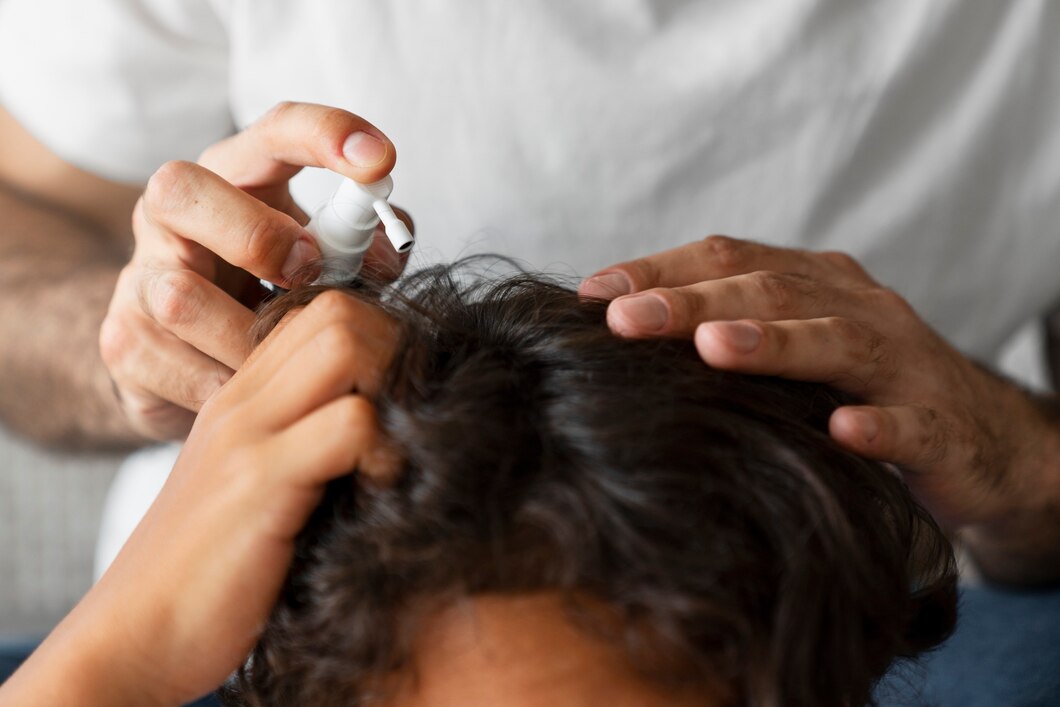
Dandruff: Causes, Symptoms and Treatment
Dandruff is a common scalp condition that affects people of all ages. It is characterized by the shedding of dead skin flakes from the scalp and may be accompanied by itching and irritation. Although dandruff is not a serious medical condition, it can cause discomfort and embarrassment if not managed properly.
Dandruff can occur due to several factors including dry skin, excess oil production, fungal growth, and improper hair care. Understanding the causes and symptoms of dandruff can help in choosing the right treatment and maintaining a healthy scalp.
What Is Dandruff?
Dandruff is a scalp condition where dead skin cells shed from the scalp in the form of white or yellow flakes. A small amount of shedding is normal, but excessive flaking may indicate dandruff. The condition can be mild or severe depending on the underlying cause.
Dandruff may also be associated with scalp irritation and itching, especially if the scalp becomes inflamed or infected.
Common Causes of Dandruff
Several factors can contribute to the development of dandruff. Identifying the underlying cause can help in managing the condition effectively.
- Dry skin on the scalp
- Excess oil production
- Growth of yeast-like fungi on the scalp
- Poor scalp hygiene
- Frequent use of hair styling products
- Sensitivity to hair care products
- Stress and hormonal changes
Symptoms of Dandruff
Dandruff can present with various symptoms that affect the scalp and sometimes the surrounding areas such as the eyebrows or ears.
- White or yellow flakes on the scalp and hair
- Itchy scalp
- Dry or oily scalp
- Redness or irritation of the scalp
- Flakes visible on shoulders and clothing
Who Is More Likely to Get Dandruff?
Dandruff can affect anyone, but some individuals may have a higher risk due to certain factors.
- Teenagers and young adults
- People with oily scalp
- Individuals experiencing stress
- People with certain skin conditions
- Individuals who do not wash their hair regularly
Diagnosis of Dandruff
Dandruff is usually diagnosed through a clinical examination of the scalp by a dermatologist. The doctor may evaluate the appearance of the scalp and ask about symptoms and hair care habits.
In some cases, further examination may be required to rule out other scalp conditions such as psoriasis or fungal infections.
Treatment for Dandruff
Dandruff can usually be managed with proper scalp care and medicated treatments. The type of treatment depends on the severity of the condition.
- Medicated anti-dandruff shampoos
- Antifungal treatments for scalp infections
- Topical medications to reduce inflammation
- Proper scalp cleansing and hygiene
Regular use of dermatologist-recommended shampoos and treatments can help control dandruff and prevent recurrence.
Home Care Tips for Managing Dandruff
Along with medical treatment, certain lifestyle and hair care practices can help manage dandruff effectively.
- Wash hair regularly with a mild shampoo
- Avoid excessive use of hair styling products
- Maintain a healthy and balanced diet
- Manage stress through relaxation techniques
- Keep the scalp clean and dry
When to See a Dermatologist
If dandruff does not improve with regular shampooing or over-the-counter treatments, it is important to consult a dermatologist. Persistent dandruff may indicate an underlying scalp condition that requires medical treatment.
Early consultation with a skin specialist can help identify the cause and provide the most effective treatment plan.
Conclusion
Dandruff is a common scalp condition that can be managed with proper care and treatment. Understanding its causes and symptoms can help individuals take the right steps to maintain a healthy scalp and prevent excessive flaking.
If dandruff persists or becomes severe, consulting a qualified dermatologist can ensure proper diagnosis and effective treatment for long-term scalp health.